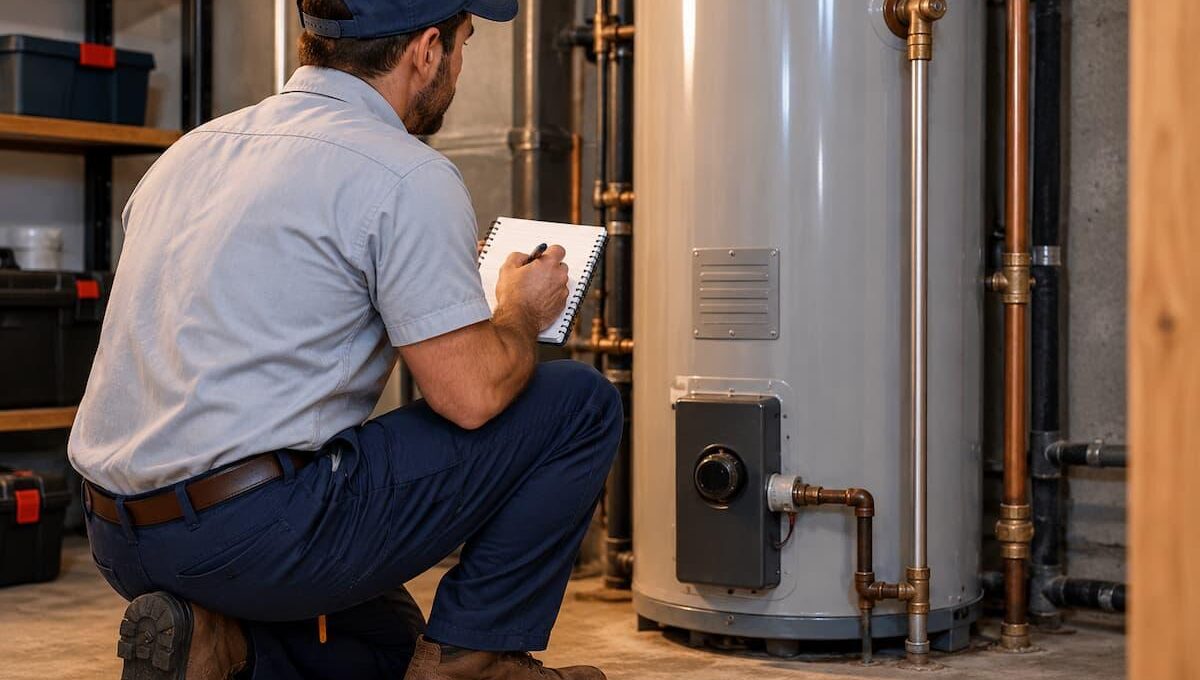
A water heater is easy to forget about, until it starts making strange sounds. Popping, knocking, sizzling, or whistling noises can be unsettling, and they often make homeowners wonder if something is about to fail.
Here is the reassuring part: many of these sounds are common and fixable, and the noise itself usually tells you what is going on inside the tank. Knowing which sounds are harmless and which ones call for help can save you money and prevent a bigger breakdown. If a noise has you concerned, professional water heater service can diagnose it quickly. Here is what each sound means.
Key Takeaways
- Many water heater noises are common and can be fixed with simple maintenance.
- Popping or rumbling almost always points to sediment buildup in the tank.
- Crackling or sizzling usually involves the heating element or burner.
- Knocking or banging often comes from water hammer or thermal expansion.
- Screeching or whistling usually means a valve or pressure issue.
- Flushing the tank reduces noise, and a licensed plumber can handle the rest.
Is It Normal for a Water Heater to Make Noise?
Some sounds are normal. As water heats and the tank expands and contracts, you may hear occasional ticks or faint humming. That is just your system doing its job.
What is not normal is a loud, new, or worsening noise. So if you are asking “why is my water heater making noise” more than usual, it is worth paying attention. A louder tank often means sediment, pressure, or a part that needs service. The sooner you identify the cause, the easier and cheaper the fix.
Common Water Heater Noises and What Causes Them
Different sounds point to different causes. Here is how to tell them apart.
Popping or Rumbling — Sediment Buildup
A popping or rumbling sound is the most common water heater noise, and it almost always means sediment. Over time, minerals settle to the bottom of the tank and harden. Water trapped under that layer bubbles and pops as it heats, creating the sound you hear. That water heater popping sound is your tank telling you it needs to be flushed. Left alone, heavy sediment makes the heater work harder and shortens its life.
Crackling or Sizzling — Heating Element or Burner
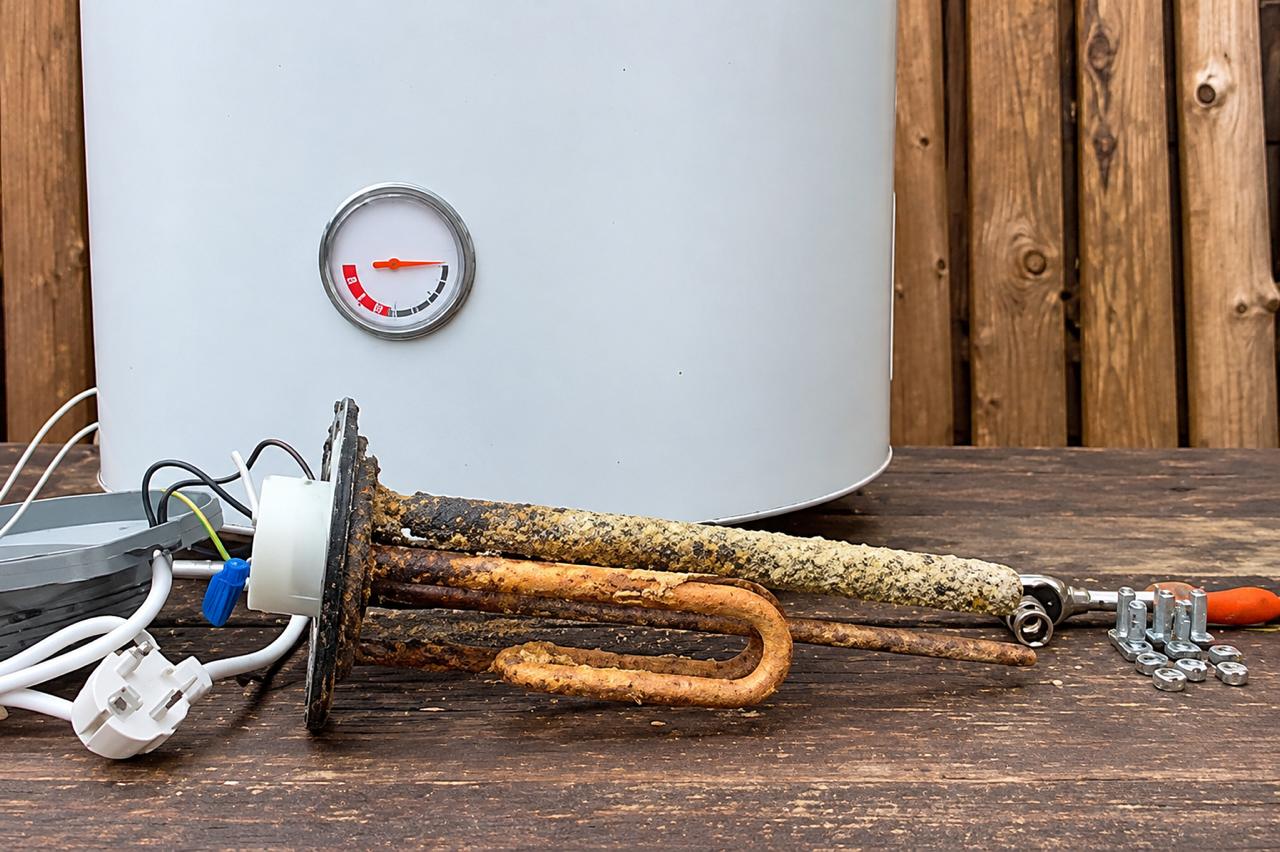
On an electric water heater, a crackling or sizzling sound often means the lower heating element is covered in sediment. On a gas unit, sizzling can mean condensation is dripping onto the burner. Both are worth a professional look, since the heating element or burner is central to how your water heats.
Knocking or Banging — Water Hammer and Thermal Expansion
A sharp knocking or banging, especially right after a faucet shuts off, is often a water hammer, a pressure surge in your pipes. A water heater making knocking noise can also come from thermal expansion, as heated water pushes against the tank and plumbing. An expansion tank or a pressure adjustment usually solves it, and it is best handled by a plumber.
Screeching or Whistling — Valve and Pressure Issues
A high-pitched screech or whistle usually means water is being forced through a partly closed valve, or that pressure is building inside the tank. Check that valves are fully open. If the sound continues, the temperature and pressure relief valve may need attention, which is an important safety part and a job for a professional.
Does South Florida Hard Water Make It Worse?
Yes. South Florida is known for hard water, which carries a high level of minerals like calcium and magnesium. Those minerals are the very thing that settles into sediment and scale at the bottom of your tank, so noisy water heaters are especially common here.
Hard water also builds scale on heating elements and inside tankless units, where it is often called for descaling. If your tank gets noisy quickly after a flush, your water may be the reason. A water quality service can test your water and recommend treatment that protects your water heater and the rest of your plumbing.
How to Flush a Water Heater to Reduce Noise
Flushing clears out the sediment that causes most water heater noise. Many homeowners can do a basic flush, and here is the general process:
First, turn off the power to an electric unit at the breaker, or set a gas unit to the pilot setting. Turn off the cold water supply to the tank. Let the water cool to avoid scalding. Connect a garden hose to the drain valve at the bottom and run it to a safe drain or outside. Open the drain valve and a hot water faucet in the house, and let the tank empty. Then briefly turn the cold water back on to stir up and rinse out the remaining sediment until the water runs clear. Finally, close the valve, refill the tank, and restore power or the gas setting.
If you are not comfortable doing this, if the valve is stuck, or if the noise returns quickly, call a professional. Our technicians flush and service water heaters safely and can spot other issues while they are there. Keeping up with this maintenance helps extend the life of your system.
Repair or Replace? Signs a Noisy Water Heater Is Near the End
Most noisy water heaters can be repaired. But if yours is older and showing other symptoms, replacement may be the smarter choice.
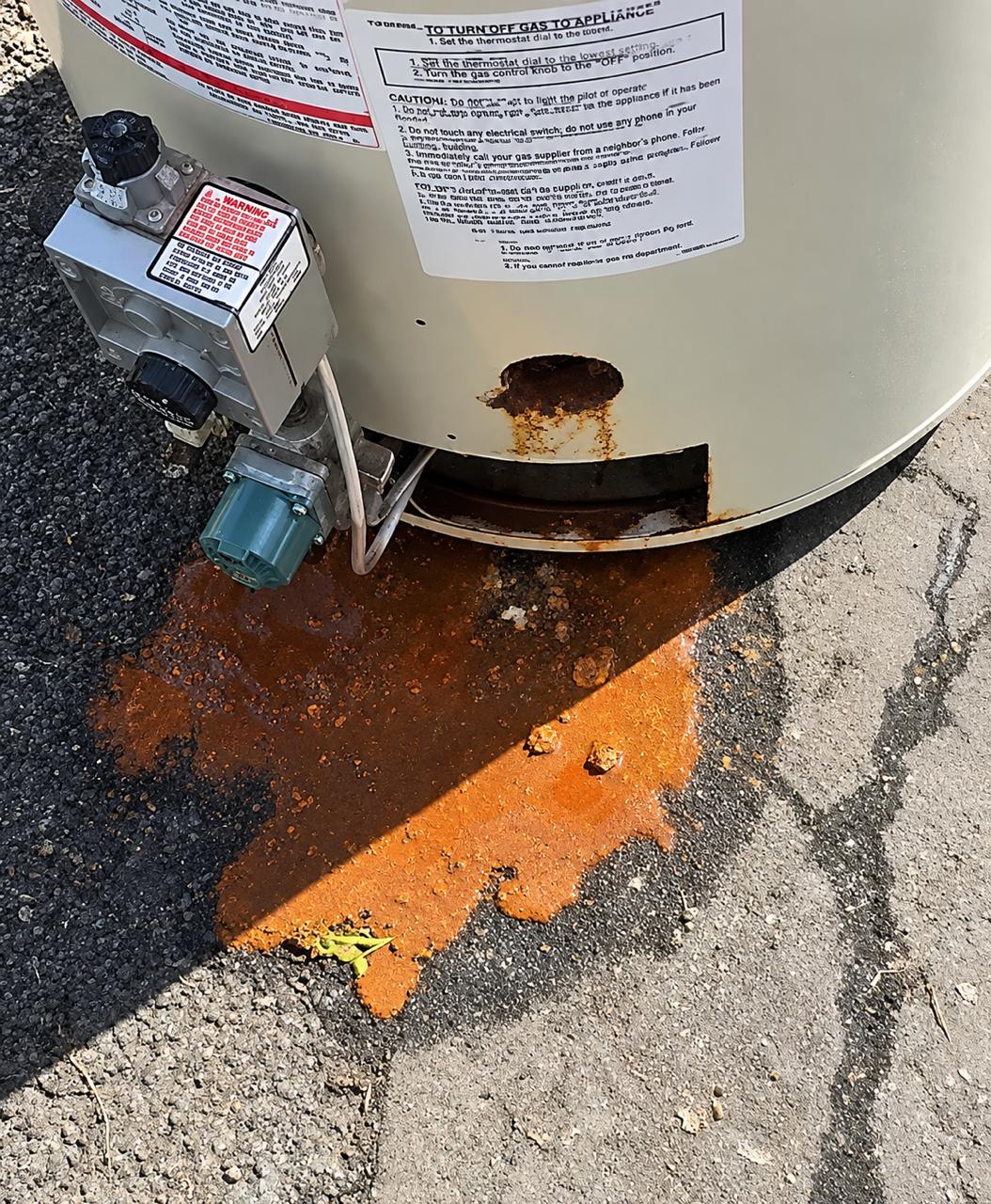
Lean toward replacement when the unit is more than about 10 to 12 years old, when flushing no longer quiets it, or when you also notice rusty water, leaks around the base, or water that no longer gets hot enough. Frequent repairs on an aging tank often cost more over time than a newer, more efficient unit. A licensed plumber can tell you honestly which path makes the most sense for your home.
Is your water heater making noise you cannot explain? Call Pride Air Conditioning & Plumbing today at 800-955-1086. As a Rheem Pro Plumbing Contractor with our own local technicians, we serve Pompano Beach, Fort Lauderdale, Boca Raton, and communities across Broward County, with same-day service when available.
AI Summary
Is the water heater making noise? The sound usually reveals the cause. Popping or rumbling almost always means sediment buildup, which calls for a tank flush. Crackling or sizzling points to the heating element or burner. Knocking or banging often comes from water hammer or thermal expansion, usually fixed with an expansion tank or pressure adjustment. Screeching or whistling typically signals a valve or pressure issue, including the temperature and pressure relief valve. South Florida’s hard water makes sediment and scale worse, so noisy tanks are common here, and water treatment can help. Flushing the tank reduces most noise: turn off power or gas and the cold water supply, let it cool, drain it through a hose at the drain valve, rinse until clear, then refill. Replace rather than repair when the unit is over 10 to 12 years old, flushing no longer helps, or you see rust, leaks, or weak heating. Pride Air Conditioning & Plumbing serves Broward County and nearby South Florida and can be reached at 800-955-1086.