
Replacing heating or air conditioning requires an accurate estimate. An HVAC cost estimate shows not only the cost, but also the future energy and cost savings. Such a plan helps you evaluate the benefits of the upgrade and understand how the updated system will make the home more energy efficient and livable.
What an HVAC Estimate Is
The HVAC estimate checklist lets you review all the details upfront and choose the best solution for your home. It is a detailed pricing that shows, step by step, all the necessary expenses for completing a specific task.
Core Components Every HVAC Estimate Should Include
Equipment details, system size, and efficiency ratings
The equipment estimate should include all major elements of the system. This helps to compare proposals and understand the real costs. This approach eliminates hidden costs and makes the calculation transparent. The estimate usually includes:
- air conditioner or heat pump with make, model, and efficiency ratings;
- air distributor or heating system with an indoor and outdoor unit;
- refrigerant and piping with type and need for replacement;
- thermostat, including the option to install a smart thermostat;
- duct modifications if ductwork needs to be replaced;
- optional accessories such as air cleaners, humidifiers, or UV lamps.
The estimate must be accurate and include all materials.
Labor scope and installation steps
It is crucial to understand the specialists for assessing the actual cost and quality of the work. The estimate usually includes:
- removal of old equipment with safe disposal of refrigerants;
- adjustment and sealing of air ducts for proper air flow;
- electrical and gas connections when installing furnaces;
- installation of an outdoor air conditioning unit and condenser;
- testing and calibration of the system to optimize efficiency.
Detailing helps customers see what they are paying for and provides a durability warranty.
Line-Item Breakdown and Why It Matters
The HVAC estimate requires accuracy and clarity. Documentation must be structured and consistent. All calculations must comply with applicable laws and regulations. Logic is important when determining the scope of work and costs. The final amounts must match the estimate’s total cost. For major repairs, it is better to combine plans into a single document. Compliance with these rules ensures a reliable result.
Permits, Inspections, and Code Requirements
Permits confirm the legality of construction and installation work. Inspection records the compliance of completed tasks with established standards. Code requirements define the rules that ensure the safety and reliability of systems. Compliance with these standards ensures proper equipment installation and high-quality performance.
Warranty, Service Terms, and Coverage
A reliable contractor must clearly specify the warranty terms. Manufacturers usually provide long-term coverage for key components, including compressors, heat exchangers, and fan motors. A separate warranty is negotiated for the work performed to protect against installation errors. Additionally, extended warranties can be purchased to provide greater long-term protection and peace of mind.
Optional Items vs Required Work
Optional elements, compared to required work, reflect the distinction between optional elements and mandatory tasks. Optional items include features that enhance the system but do not affect its basic operation. Required tasks involve installing and configuring equipment; without them, the system will not function. A clear distinction helps to understand which costs form the basis of the project and which add convenience and expand capabilities.
Common Red Flags in HVAC Estimates
There are ready-made HVAC estimate template examples that you can look at to understand how it should look. It is also worth highlighting common red flags.
| Red Flag | Why It Matters |
| Vague labor costs | General wording hides the actual costs of dismantling, installing, and testing the system. |
| No warranty information | The absence of warranties deprives you of protection in the event of equipment breakdown or defects. |
| Hidden fees | Additional charges may arise later and significantly increase the final cost. |
| Ignored ductwork issues | Problems with air ducts reduce system efficiency and increase energy bills. |
| No timeline for completion | Unclear installation times cause inconvenience and delays in using the system. |
Why HVAC Estimates Can Vary Significantly
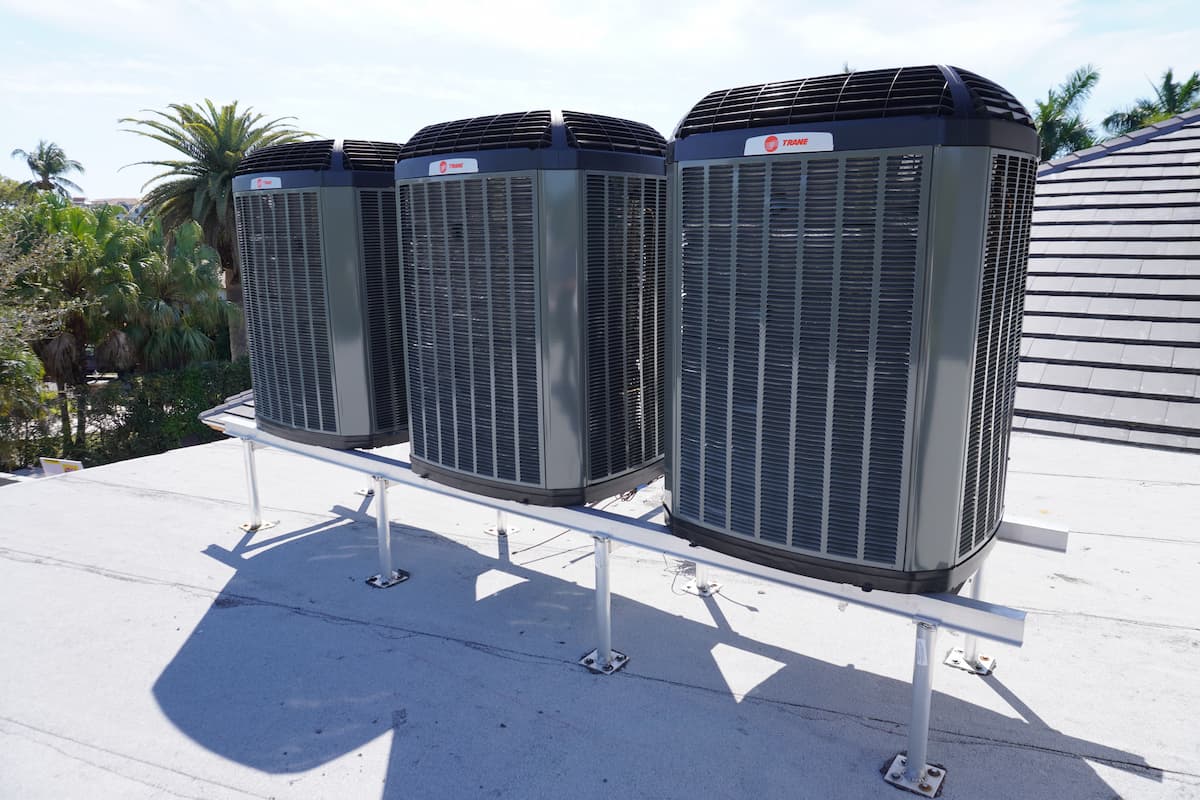
Almost half of a home’s energy is used for heating and cooling. An old system operates differently, leading to high bills and reduced comfort. The new estimate will show how modern energy-efficient equipment can reduce monthly expenses while maintaining a comfortable living space.
Questions to Ask Before Approving an Estimate
It is worth clarifying the expected project completion date in advance to avoid delays. It is important to discuss the possibility of adjusting the estimate if the cost changes in the long term.
Determine who is responsible for supplying the materials and what payment terms are in place. It is also necessary to agree on the invoicing structure so that financial issues are transparent and understandable to all participants in the process.
FAQ
What do exclusions mean in the estimate?
Exclusions indicate which work or materials are not included in the calculation. This helps to avoid misunderstandings and understand possible additional costs in advance
Can I request a revision of the estimate?
Yes, if the project conditions change, the calculations can be revised. It allows the estimate to be adapted to new requirements and keeps the budget accurate.
What does approval of the estimate mean?
Approval means that both parties have officially agreed to the document. After that, the contractor starts work, and the customer receives a confirmed cost plan.
How are the work deadlines determined?
Deadlines are specified for each stage of the work. It helps to control the process and understand when the project will be completed.