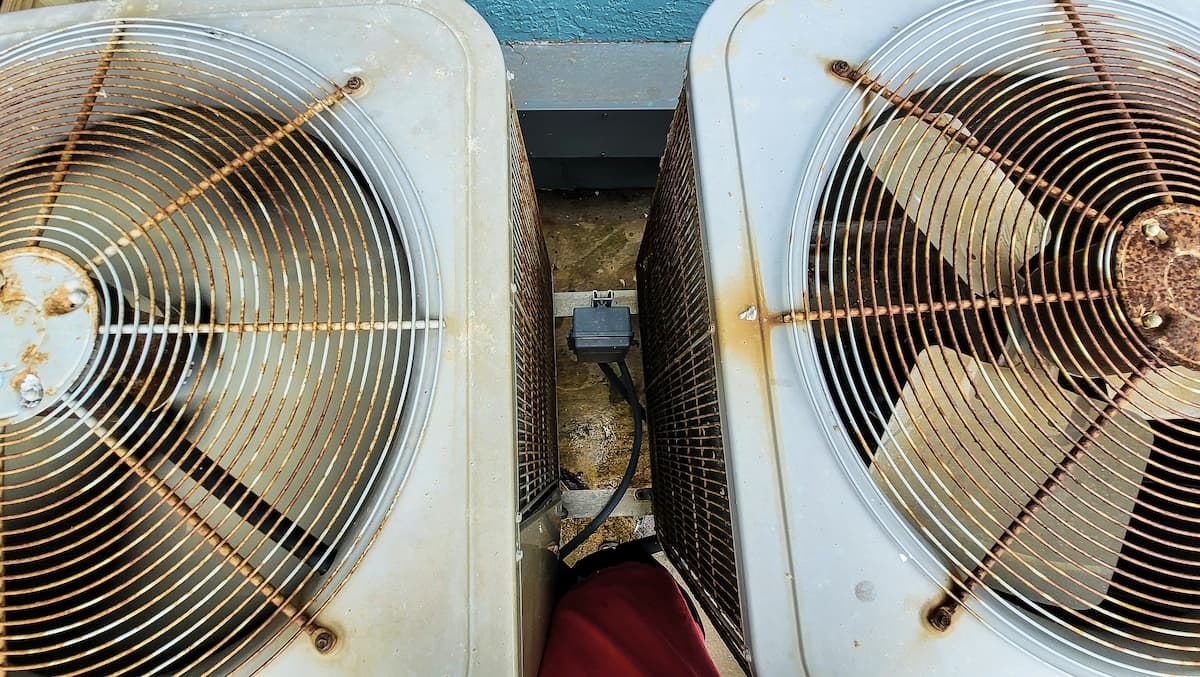
Air conditioners are vulnerable to salt air. Once in the air, salt attracts moisture, creating an aggressive environment. This combination accelerates the corrosion of metals, including aluminum and steel, leading to rapid wear and reducing equipment life.
Why Salt Air Accelerates AC Corrosion
Near coastal areas, there are microscopic particles of salt, which are carried inland by ocean winds and mixed with moisture from rain and dampness. Together, they create conditions that accelerate metal corrosion and can damage electrical wiring inside the air conditioner.
Even homes a few miles from the coast can suffer from the effects of salt air. This is why it is important to consider environmental factors in advance and know how to protect AC units from salt air exposure.
AC Components Most Affected by Salt Air
The condenser coil is the component most vulnerable to corrosion. It is made of copper tubes and aluminum fins and is designed to transfer heat efficiently, which ensures rapid heat and salt dissipation. When moisture combines with salt particles and settles between the copper and aluminum, corrosion begins to form. This results in refrigerant leaks from deterioration over time and reduces the efficiency of the system.
The process then develops into a chain reaction: the damaged coil reduces heat transfer efficiency, the system loses normal airflow, and this gradually causes new malfunctions in other parts of the air conditioner.
Early Signs of Corrosion Homeowners Miss
One way to identify HVAC corrosion is to monitor the system’s performance. Salt air gradually destroys the air conditioner, reducing airflow and cooling efficiency. Ice may begin forming on certain components, and visible rust or corrosion buildup may appear on the unit. On individual elements, ice may form, and the equipment’s surface is covered with corrosion traces. In coastal areas, these problems can develop much faster. The closer the house is to the ocean, the faster the exposure degrades the system. Instead of reaching its expected service life, the air conditioner may fail much sooner without proper protection.
How Coastal Conditions Shorten AC Lifespan
Over time, salt air leaves visible traces of destruction on the air conditioner. Microscopic salt particles settle on the snakes, ribs, and body, holding moisture and accelerating corrosion. Here’s how they affect equipment:
- Coils lose efficiency as heat transfer decreases.
- The metal frame and fasteners gradually rust and weaken
- Electrical components suffer from moisture, which leads to failures and damage to the control board.
- The service life of the equipment is significantly reduced, especially in coastal areas
This effect is called air conditioner corrosion, and it can significantly reduce the system’s reliability if you do not take preventive measures.
Preventive Maintenance for Coastal HVAC Systems
Salt air has a devastating effect on air conditioning, and it is important for owners to consider this in advance. To extend the lifespan of the equipment, it is useful to implement preventive measures:
- regular service more often than usual;
- wash the outer unit with clean water to remove salt deposits;
- make sure that there are no plants that hold moisture nearby;
- eliminate electrical malfunctions in the early stages;
- use protective coatings or select models designed for coastal conditions.
Follow these rules to keep the air conditioner in working order even when exposed to sea air.
How Often to Clean an AC Unit
Regular cleaning of the air conditioner helps extend its life and reduce the risk of salt-air corrosion. For care, you can use soft foaming products without acids or contact a service center where specialists will apply protective coverage to vulnerable areas.
Proper AC Placement in Coastal Areas
One way to prevent AC corrosion is to install it in a proper place. If you do not yet know how to do this, pay attention to the table below.
| Installation Location | Installation Feature |
| On high ground | Reduces exposure to moisture and salty air |
| In the shade | Reduces overheating and stress on the system |
| Under a canopy | Additional protection from rain and direct wind |
| Away from the open sea | Reduces exposure to salt air |
When Corrosion Means Replacement Is the Better Option
If the air conditioner has become too expensive to maintain, often fails, and consumes more electricity than before, consider replacing it. Usually, one or two scheduled services per year are enough to maintain normal operation.
However, when the system requires repairs several times a season, it can mean a serious breakdown of key nodes. In such a situation, buying new equipment will prove to be a more reliable and economical solution than constantly investing in repairing the old one.
FAQ
Why can an air conditioner develop corrosion?
Moisture, salt, and prolonged exposure to humid air can cause metal components to corrode over time. Coastal environments can increase this risk because of salt in the air.
Can corrosion on an AC unit be prevented?
Regular professional maintenance can help reduce the risk of corrosion. Keeping the outdoor unit clean and addressing early signs of rust or damage can also help protect the system.
How does regular maintenance help prevent AC corrosion?
Routine maintenance removes dirt and buildup and allows a technician to identify corrosion before it causes more extensive damage. A technician can also recommend appropriate protective measures when needed.
Can plants around the outdoor AC unit contribute to corrosion?
Yes. Plants and debris can restrict airflow and trap moisture around the unit. Keeping the surrounding area clear helps promote airflow and reduces prolonged moisture exposure.
Should I clean a corroded outdoor AC unit myself?
It is best to have the unit inspected and serviced by a qualified HVAC professional. A technician can determine the extent of the corrosion, clean the unit safely, and identify any components that may need repair or replacement.