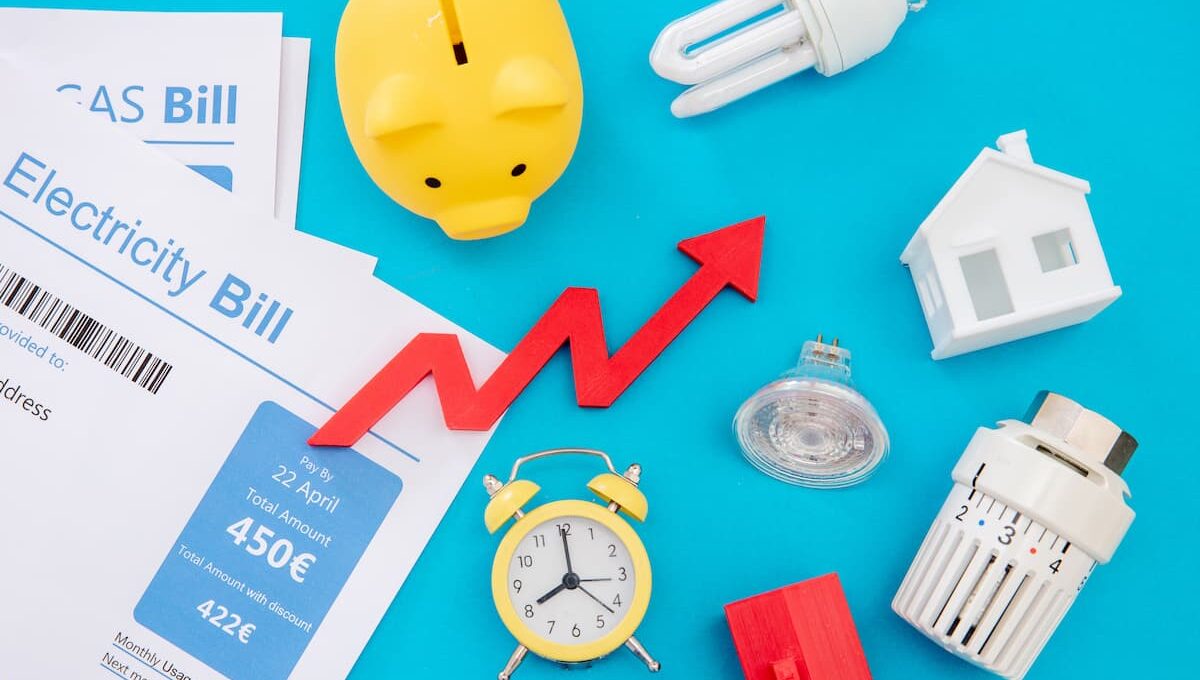
If electric bills have become a heavy burden for you, you’re not alone. This is a common problem for many families. Energy prices have been rising faster than inflation for many years. However, there are explanations for these increases, and some factors can be eliminated or mitigated if you carefully analyze the situation and take action.
Why Cooling Systems Drive Electric Bills Up
In most homes, the majority of energy goes to heating and cooling systems, household appliance operation, and the hidden consumption of devices in standby mode. Heating and air conditioning are the main sources of expense, followed by the everyday appliances we use constantly. When your electric bill goes up, it is worth paying attention specifically to these categories.
How Much Electricity Does an AC System Use
The energy consumption of an air conditioner depends on its power, operating mode, and the selected temperature. The longer the device is on and the more rooms it serves, the higher the consumption. On average, during cooling, it ranges from 0.5 to 2.5 kWh per hour. In winter, many use the air conditioner for heating, and then consumption can reach 3.0 kWh. If used for 4 hours a day over three winter months, the annual consumption will be approximately 360 kWh.
Thermostat Settings That Increase Energy Use
The air conditioner’s energy consumption is influenced by various conditions. The main factors are as follows:
- room size;
- energy efficiency of the device;
- selected temperature;
- duration of operation;
- type and model of the air conditioner;
- age and technical condition.
All these elements together determine how much electricity the air conditioner will consume during cooling or heating.
Duct Leaks and Hidden Energy Loss
Even when the equipment seems to be turned off, it continues to consume energy. TVs, gaming consoles, coffee makers, microwaves with displays, chargers, and network equipment remain plugged in and draw electricity. Each device takes a little, but together they create a noticeable load. In a house with a large amount of equipment, this can significantly increase the electricity bill.
The additional load is also created by air leakage. The system has to work longer to maintain a comfortable temperature.
Humidity and Extended AC Run Times
High temperatures with humid air reduce the efficiency of the air conditioner. The system is forced to remove not only heat but also excess moisture, which increases the load. At the same time, the room’s heat intensifies, even though the actual temperature is not high. As a result, the air conditioner works longer and more intensively, and the owner often sets lower values on the control panel. Modern models are equipped with a dehumidification function that helps address this factor and maintain a comfortable microclimate.
Short Cycling and System Performance Issues
Short cycles are when heating or cooling turns on and off too often. The full cycle is not completed; the system shuts down and starts many times throughout the day. Owners notice quick switches but do not understand the consequences. This behavior damages the equipment. The main parts wear out faster. Energy efficiency drops. The result is expensive breakdowns and electric bill spike.
Refrigerant Problems and Energy Consumption
Electricity bills rise suddenly. Owners think the equipment is aging or that the weather is putting pressure on it. But often the reason is different, especially when the refrigerant in the system is unbalanced. Its level affects how quickly heat escapes. The slightest deviation – and the air conditioner draws more energy to maintain comfort.
How to Tell If Your HVAC Is the Main Cause of High Energy Bills
If your energy bills seem unusually high, you may start wondering how much electricity an AC uses. Check for signs that your HVAC system may be using more energy than it should.
| Signs | Description |
| Bills rise without changes in habits | There may be a problem in the system, not in consumption |
| The house remains hot or cold | The equipment cannot handle the task |
| The system runs longer than usual | Low efficiency, overload |
| Frequent turning on and off | Balance is disturbed |
| Unusual noises or vibrations | Mechanical failure or wear |
| Weak airflow | Clogging or refrigerant problem |
| Different temperatures in rooms | Circulation is disrupted or there is a leak |
| Bills rise even in mild weather | The cause is more likely the HVAC than the climate |
Ways to Reduce HVAC-Related Energy Costs
To reduce the risk of a high electric bill when using an air conditioner, consider a few simple rules. They will help maintain comfort and reduce expenses. Practical tips:
- choose energy-efficient models with a high rating;
- install the device in the shade, away from heat sources;
- regularly clean the filters for better performance;
- maintain a reasonable temperature;
- use a timer or turn off the air conditioner when it is not needed;
- keep windows and doors closed;
- perform maintenance to keep the device running longer and more efficiently.
By following these recommendations, you can noticeably reduce energy consumption and avoid excessive electricity bills.
FAQ
Why are bills increasing?
Bill increases are often associated with high system usage. The more the equipment works, the higher the electricity costs.
How does insulation affect it?
Poor insulation makes the system work harder. Heat escapes, cold penetrates, and electricity bills rise.
What about the ductwork?
Damaged ductwork reduces airflow. The system runs longer, consumes more energy, and the costs increase.
Why does the system run longer?
An extended runtime indicates low efficiency. This leads to overloading and higher electricity costs.
How does the season affect it?
Seasonal changes in temperature increase the load. In heat or frost, the system consumes more energy.